
Ngenla (somatrogon) is a long-acting form of human growth hormone (HGH) designed for once-weekly administration. While its convenience and stable hormone-release profile attract many wellness-oriented users, understanding long-term safety is essential for anyone considering extended therapy. This guide covers the key safety factors, monitoring recommendations, and potential concerns associated with prolonged Ngenla use — written with clarity and transparency, while emphasizing medically supervised usage.
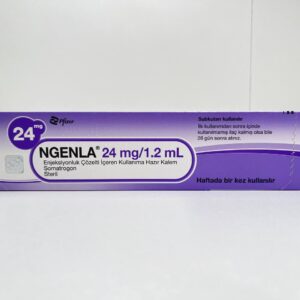
Trusted Source for Ngenla HGH
For individuals seeking a reliable long-acting human growth hormone, Ngenla HGH Pen provides convenience, stability, and consistent results. Learn about availability, official product details, and proper handling to ensure safe therapy.
View Ngenla Product PageTip: Always consult a healthcare provider before starting any HGH therapy.
Understanding How Long-Term Ngenla Use Works
Ngenla provides a controlled release of growth hormone over a full week, which reduces injection frequency and helps maintain stable IGF-1 levels. However, long-term therapy can influence metabolism, endocrine balance, and cellular activity, meaning regular evaluation and clinical follow-up are crucial.
Long-term safety depends on factors such as:
- Age
- Baseline hormone levels
- Overall metabolic health
- Genetics and family history
- Adherence to medically supervised dosing
HGH is a powerful biological hormone, and consistent exposure requires thoughtful monitoring.
Importance of Medical Supervision Over Time
Long-term Ngenla use should involve:
✔ Routine blood tests
Typical assessments include:
- IGF-1 levels
- Fasting glucose
- HbA1c
- Lipid profile
- Thyroid function
- Liver and kidney panels
These help detect early imbalances before they progress into complications.
✔ Adjusting dosage when necessary
Ngenla dosage may need to be modified based on:
- IGF-1 trends
- Body composition changes
- Side effect patterns
- Weight changes
- Medical conditions
Stable IGF-1 levels within a safe range are the primary indicator of well-managed therapy.
Potential Long-Term Side Effects
While many users tolerate Ngenla well, long-term exposure to elevated HGH levels may contribute to:
1. Fluid retention
Mild edema in the hands, feet, or joints may occur in some individuals.
2. Carpal tunnel symptoms
Tingling or numbness can appear with long-term elevated IGF-1.
3. Increased insulin resistance
HGH influences glucose metabolism; monitoring blood sugar is important.
4. Joint and muscle discomfort
Some individuals experience soreness from increased tissue growth activity.
5. Thyroid function fluctuation
Growth hormone may affect T3 conversion, requiring periodic thyroid checks.
6. Organ and tissue growth (rare and associated with misuse)
Excessive or unsupervised dosing dramatically increases risks. Medically guided use minimizes this concern.
Long-Term Cardio-Metabolic Considerations
HGH interacts with metabolic pathways that regulate:
- Cholesterol
- Insulin sensitivity
- Fat distribution
- Cardiovascular workload
Long-term safety requires managing lifestyle factors such as:
- Balanced diet
- Regular exercise
- Healthy weight maintenance
- Avoiding excessive alcohol
Lifestyle significantly influences how the body responds to extended HGH therapy.
Age-Related Safety Considerations
Different age groups respond differently:
Younger adults
- More responsive to HGH
- Possibly more sensitive to fluid shifts
- Should be monitored for glucose and thyroid changes
Middle-aged or older adults
- Benefit from improved recovery and vitality
- Must pay closer attention to cardiovascular markers
- Require gentler dose adjustments
Balancing Benefits vs. Long-Term Risk
Many users report long-term benefits such as:
- Better sleep
- Improved skin quality
- Enhanced recovery
- Higher energy
- Reduced abdominal fat
However, the safest long-term use depends on personal physiology and medical guidance. Responsible dosing dramatically reduces adverse outcomes.
When to Stop or Reassess Ngenla
Stop or evaluate therapy if you experience:
- Unusual swelling
- Persistent joint pain
- Numbness or tingling
- Unexpected changes in mood
- Significant shifts in glucose levels
Long-term users should reassess therapy every 6–12 months.
Final Thoughts on Long-Term Safety
Ngenla is designed to be a stable, controlled, long-acting growth hormone option. When used responsibly — with medical oversight, proper lifestyle habits, and consistent monitoring — long-term safety is achievable for many individuals. The key lies in precision, consistency, and professional guidance, not self-management or guesswork.
FAQ
1. Is long-term Ngenla HGH use safe?
When medically supervised, many adults tolerate long-term Ngenla well. Safety depends on regular bloodwork, proper dosing, and lifestyle factors.
2. What health markers should be monitored during long-term Ngenla therapy?
Key markers include IGF-1, fasting glucose, HbA1c, thyroid hormones, and lipid profile.
3. Can Ngenla cause insulin resistance over time?
Long-term HGH exposure may reduce insulin sensitivity in some individuals, which is why glucose monitoring is essential.
4. Are long-term side effects reversible?
Most side effects—such as fluid retention or joint discomfort—are reversible when dosage is adjusted or treatment is paused.
5. How often should long-term Ngenla users reassess their treatment?
A full medical review every 6–12 months is recommended.