
Human Growth Hormone (HGH) therapies have expanded significantly in recent years, with new long-acting formulations designed to improve treatment convenience and stability. Ngenla (somatrogon-ghla) is among the most advanced developments in this field. Approved for use in specific medical contexts, it offers a longer-acting profile compared to traditional daily HGH injections and is developed to support growth and hormone regulation under professional supervision.
This article presents a clear, research-informed overview of what Ngenla is, how it works, its clinical effectiveness, and the key safety considerations. The goal is to provide high-quality, authoritative information suitable for readers wanting a medically responsible understanding of modern HGH therapy.
Looking for High-Quality Ngenla HGH?
If you’re researching the effectiveness and safety of weekly HGH therapy, you may want to explore Ngenla HGH from a trusted source . This product page provides detailed specifications, storage guidelines, and current availability to help you make an informed decision.
What Is Ngenla HGH?
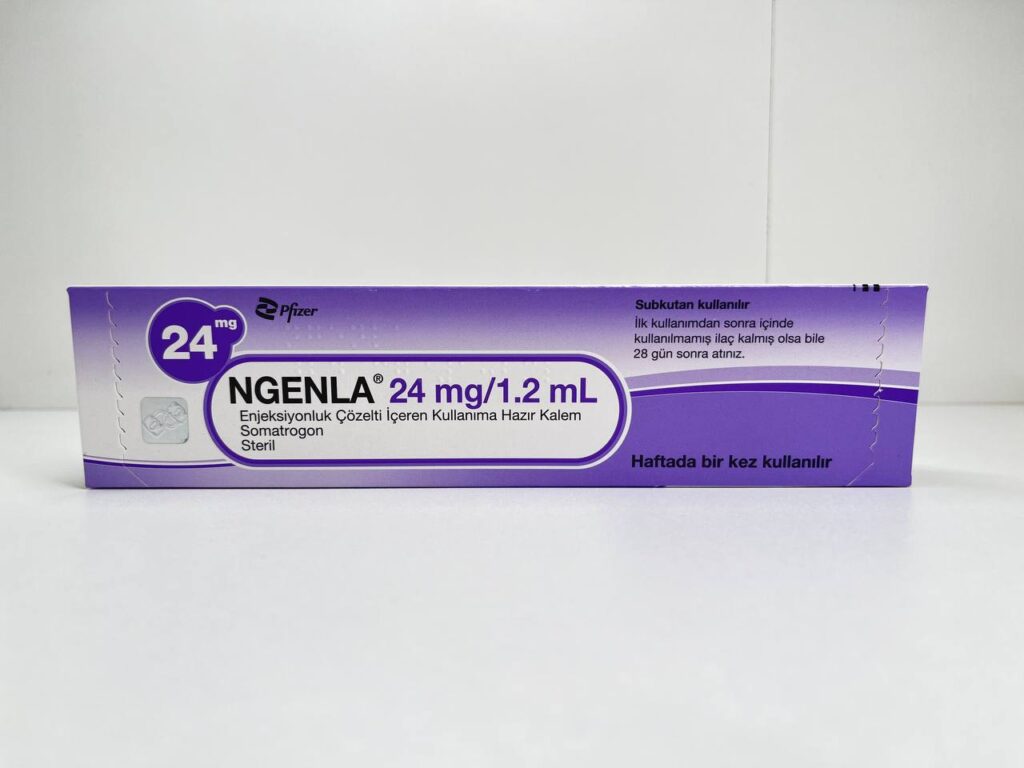
Ngenla is a long-acting recombinant human growth hormone, also known as somatrogon. It is designed as a once-weekly injectable therapy, reducing the frequency required by daily HGH treatments.
It is developed to treat growth hormone deficiency (GHD) under licensed medical oversight.
Unlike traditional HGH medications that require daily injections, Ngenla uses a modified molecular structure allowing more stable hormone levels throughout the week. This is one of the main distinguishing features that has drawn attention from clinicians and patients.
How Ngenla Works in the Body
Ngenla works by mimicking the natural endogenous growth hormone produced by the pituitary gland. Once administered, it activates the same GH receptors that stimulate:
- Growth and development in children
- Metabolic balance
- Protein synthesis and tissue repair
- Regulation of IGF-1 (Insulin-Like Growth Factor 1)
Its long half-life helps maintain steadier IGF-1 levels, which may reduce hormonal fluctuations typically associated with conventional HGH therapies.
Clinical Effectiveness of Ngenla
Research and clinical trials have demonstrated several notable points regarding Ngenla’s effectiveness:
1. Comparable or Superior Growth Outcomes
Studies show that weekly Ngenla injections produce growth results similar to daily HGH therapies, with many patients achieving comparable height velocity and IGF-1 stabilization.
2. Improved Treatment Convenience
By reducing injection frequency from daily to weekly, adherence often improves. Better adherence can translate into more consistent clinical outcomes.
3. Stable Hormone Levels
Ngenla’s extended-release design helps maintain growth hormone levels more steadily throughout the week, which may offer improved comfort and metabolic stability.
4. Predictable IGF-1 Response
Clinical data show a consistent IGF-1 response curve, which helps physicians manage therapy more precisely and safely.
Is Ngenla Safe?
When administered under medical supervision, Ngenla has a safety profile similar to other approved HGH therapies. However, as with any hormone therapy, safety depends heavily on correct diagnosis, appropriate clinical monitoring, and individualized medical guidance.
Below are general safety considerations based on available research and manufacturer data.
Commonly Reported Side Effects
Some individuals may experience effects such as:
- Injection-site redness or discomfort
- Headaches
- Fatigue
- Mild fluid retention
These reactions are generally manageable and tend to diminish as the body adapts to treatment.
Less Common but Important Considerations
A healthcare professional may monitor for:
- Changes in IGF-1 levels
- Possible effects on glucose tolerance
- Edema
- Joint or muscle stiffness
Regular follow-ups are essential for safe long-term therapy.
Who Should Use Ngenla?
Ngenla is designed only for individuals diagnosed with Growth Hormone Deficiency (GHD) and prescribed treatment by a licensed endocrinologist.
It is not intended for performance enhancement, bodybuilding, or aesthetic use, and such usage would fall outside approved medical guidelines.
Why Ngenla Has Become a Notable Advancement
The transition from daily to weekly therapy represents a significant shift in HGH treatment. Benefits include:
- Higher treatment adherence
- Improved quality of life
- Potential reduction of daily injection stress
- High consistency in hormonal response
For many patients undergoing long-term therapy, these advantages can be meaningful.
FAQ
1. What is Ngenla HGH?
Ngenla is a long-acting recombinant human growth hormone (somatrogon) used under medical supervision for treating diagnosed Growth Hormone Deficiency.
2. How effective is Ngenla compared to daily HGH?
Clinical studies show that Ngenla provides growth outcomes comparable to daily HGH, with the added benefit of weekly dosing.
3. Is Ngenla safe to use?
When prescribed and monitored by a healthcare professional, Ngenla has a safety profile similar to other approved HGH therapies.
4. What are the most common side effects of Ngenla?
Common reactions may include injection-site irritation, headaches, mild fluid retention, or fatigue.
5. Who should use Ngenla HGH?
Ngenla is intended only for patients diagnosed with Growth Hormone Deficiency and receiving supervised treatment from an endocrinologist.
Conclusion
Ngenla provides a modern, advanced approach to medically supervised growth hormone therapy. Its long-acting formulation, strong clinical performance, and safety profile make it a valuable option for individuals diagnosed with Growth Hormone Deficiency and supported by an endocrinology specialist.
As with any hormone therapy, safe and effective use depends on professional evaluation, individualized planning, and ongoing monitoring.