
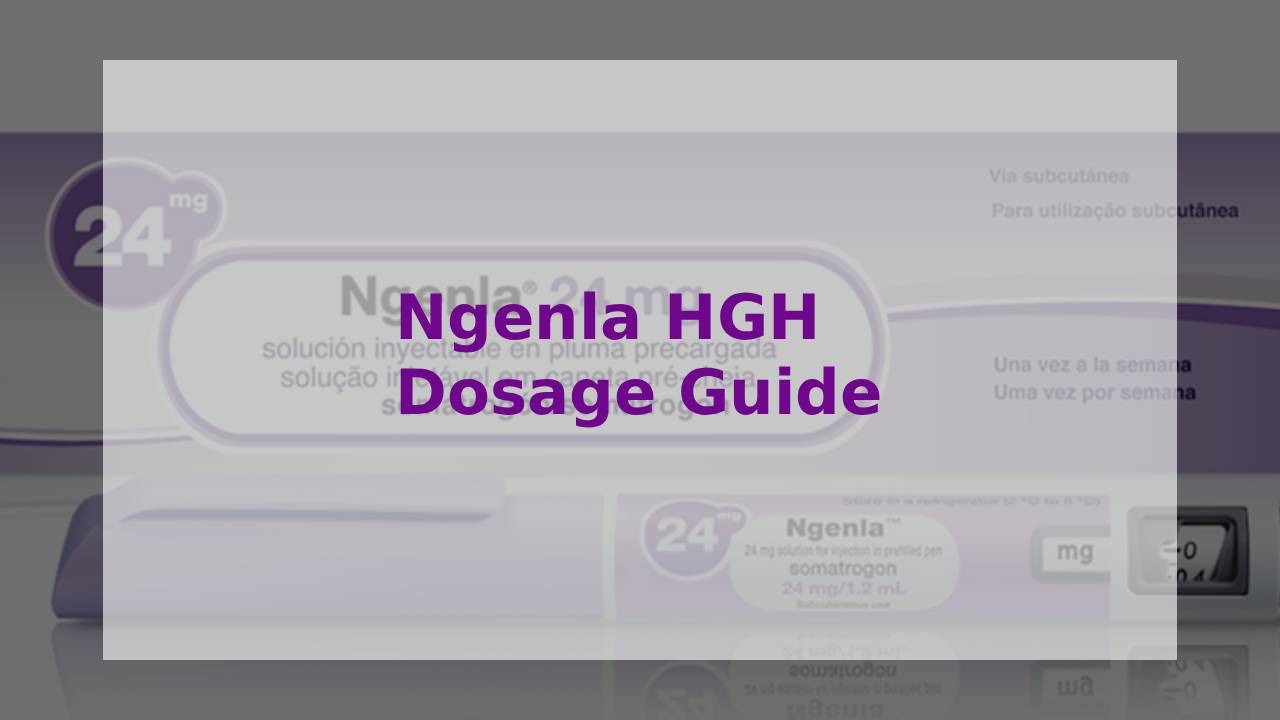
Ngenla (somatrogon) represents a major advancement in growth hormone therapy, offering once-weekly administration instead of daily injections. For individuals learning about Ngenla for the first time, understanding how medical professionals determine dosage is essential for safe and effective treatment.
This guide provides a beginner-friendly, medically responsible overview of how Ngenla dosing is approached in clinical settings, what factors influence the treatment plan, how monitoring works, and what new patients should expect during therapy.
It is not a substitute for medical advice and does not provide specific units, schedules, or instructions. Instead, it explains the process so readers can make informed decisions and understand professional recommendations.
Considering Weekly HGH Therapy?
If you’re exploring long-acting growth hormone options, you may want to review Ngenla HGH from a verified supplier . The product page provides detailed specifications, dosing information, and storage guidelines, helping you make an informed decision before starting therapy.
What Makes Ngenla Different From Other HGH Therapies?
Unlike traditional daily HGH injections, Ngenla is a long-acting growth hormone analogue designed to maintain stable hormone levels throughout the week. This unique property significantly influences how doctors determine an appropriate dosing plan.
Key distinctions include:
- Weekly injection instead of daily
- Extended half-life due to its fusion protein structure
- More stable IGF-1 levels throughout the week
- Improved adherence and convenience
- A different metabolic profile compared to standard HGH
Because of these pharmacological characteristics, the dosing strategy for Ngenla is structured differently from that of traditional somatropin.
How Physicians Determine the Right Ngenla Dosage
Although the specific dose is individualized, medical professionals follow a consistent process when designing a therapy plan. This process includes several important steps.
1. Confirming Growth Hormone Deficiency (GHD)
Ngenla is prescribed only after a confirmed diagnosis of Growth Hormone Deficiency. Evaluation may include:
- IGF-1 testing
- GH stimulation tests
- Assessment of growth patterns (children)
- Medical history review
- Imaging when necessary
Accurate diagnosis ensures the therapy is appropriate and minimizes the risk of over-treatment.
2. Establishing Patient Profile and Clinical Needs
Doctors consider numerous factors that influence how the body responds to growth hormone. These may include:
- Age
- Weight
- Severity of GH deficiency
- Hormonal status
- Presence of underlying medical conditions
- Previous response to HGH therapies
- Metabolic sensitivity
- IGF-1 baseline levels
Each factor plays a role in determining how aggressively or conservatively the therapy should begin.
3. Starting With a Clinically Appropriate Baseline Dose
Medical professionals typically begin treatment with a dose considered “clinically appropriate” for the individual’s needs. This ensures:
- A safe introduction of the hormone
- Good tolerance
- Controlled initial IGF-1 response
The specific dose varies between individuals and is always personalized.
4. Monitoring IGF-1 Levels Throughout Therapy
IGF-1 (Insulin-Like Growth Factor 1) is a key biomarker used to assess how well the therapy is working. After several weeks of treatment, doctors may:
- Re-test IGF-1
- Compare results to age-adjusted reference ranges
- Adjust the therapy plan accordingly
Stable IGF-1 levels within the target range are a primary goal of Ngenla treatment.
5. Adjusting the Dose Based on Patient Response
Changes may be made if:
- IGF-1 levels are higher than expected
- IGF-1 is lower than therapeutic range
- The patient reports discomfort
- Symptoms of deficiency persist
- Signs of over-exposure appear
Dose adjustments are gradual and clinically guided.
What New Users Should Expect During the First Months
For beginners, the first weeks of Ngenla therapy often include:
✓ Initial clinical assessment
Doctors ensure the patient is a good candidate for treatment.
✓ Baseline testing
Hormone, metabolic, and IGF-1 levels are measured.
✓ Start of weekly therapy
A medically appropriate dose is administered once per week.
✓ Regular check-ins
Doctors monitor tolerance, comfort, and metabolic responses.
✓ Adjustment phase
The dose may be modified based on the patient’s needs.
Common Mistakes Beginners Make (And How Doctors Prevent Them)
Because Ngenla is long-acting, improper use can lead to prolonged hormone exposure. Medical supervision helps prevent:
1. Overestimating dosage needs
More is not better. Excess HGH can cause side effects and metabolic issues.
2. Ignoring IGF-1 monitoring
Regular testing is essential to ensure safety.
3. Comparing Ngenla to daily HGH
These medications behave differently in the body and cannot be directly self-converted.
4. Inconsistent injection timing
Doctors emphasize weekly consistency to maintain stable hormone levels.
5. Attempting unsupervised therapy
Professional oversight is indispensable for long-acting HGH.
Safety Considerations for Beginners
Physicians typically monitor for:
- IGF-1 fluctuations
- Sensitivity to fluid retention
- Joint or muscle stiffness
- Glycemic changes
- Local injection-site reactions
Because Ngenla remains active for several days, side effects may last longer than with short-acting HGH and require careful observation.
The Advantages of a Beginner-Friendly Weekly HGH Therapy
New users often appreciate several benefits of Ngenla’s weekly schedule:
• Simplified treatment routine
No daily injections.
• Better consistency and adherence
Lower risk of missed doses.
• More stable hormone levels
Reduced peaks and troughs.
• Convenient lifestyle integration
Ideal for individuals who struggle with daily medication routines.
• Reduced injection-site frequency
Less irritation and discomfort.
How Doctors Support Beginners Through the Therapy Journey
Physicians provide comprehensive support by:
- Explaining therapy goals
- Setting realistic expectations
- Tracking hormonal response
- Adjusting therapy when needed
- Offering guidance on lifestyle compatibility
- Monitoring holistic well-being
This ensures that users understand the treatment and feel confident during the process.
FAQs
1. Can beginners increase the dose faster?
No — because Ngenla is long-acting, dose accumulation can lead to side effects if adjustments are made too quickly.
2. Can Ngenla be combined with daily HGH?
Not for beginners. Combination therapy requires medical supervision and is used only in specialized cases.
3. What’s the safest weekly dose long-term?
Most adults do well on 0.4 mg/kg weekly, but this depends on IGF-1 readings.
4. Does injection timing matter?
Consistency matters more than time of day, but many users prefer evening injections for better comfort.
5. How long until full results appear?
Most users see optimal results around 8–12 weeks once IGF-1 stabilizes.
Conclusion
A beginner-friendly guide to Ngenla HGH revolves around understanding how doctors determine dosage—not the dose itself. Medical professionals evaluate hormone levels, individual characteristics, metabolic responses, and overall health to create a therapy plan tailored to the patient.
Ngenla’s once-weekly schedule makes it one of the most convenient HGH therapies available, but also requires responsible and monitored use. With expert guidance and regular follow-up, patients can safely navigate the introduction phase and maintain stable results long-term.